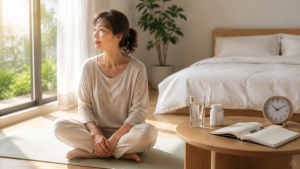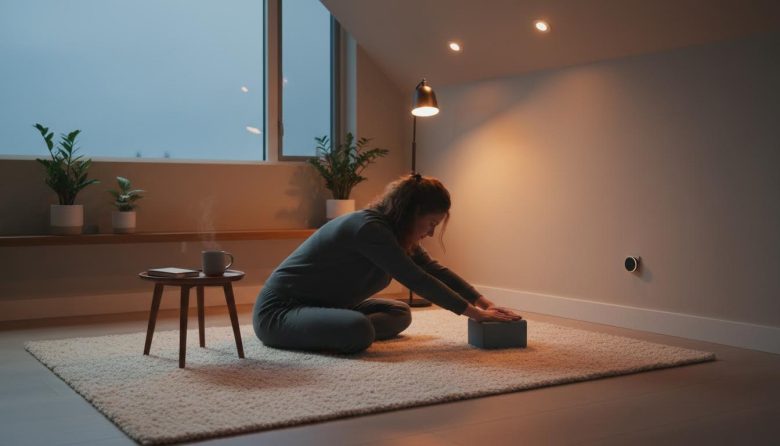
Picture this: it's 10 p.m., your mind races with tomorrow's to-do list, and your body feels wired from the day's hustle. Tossing and turning follows, leaving you groggy by morning. A simple 15-minute evening routine can shift that pattern, using breath, gentle movement, and soft sensory cues to signal rest to your body.
This short wind-down grounds you naturally, easing into sleep without force. It draws on everyday habits like dimming lights or sipping warm tea, creating balance for deeper rest. You'll preview steps that flow smoothly: grounding breaths, soft stretches, thought release, and cozy settling.
Many find their sleep improves after just a few nights of this practice. It fits busy lives, needing no special tools. Try one step tonight—perhaps a deep breath—and notice the calm it brings.
Why Your Evening Hours Shape Tomorrow's Energy
Your evenings set the stage for morning vitality. Rushed bedtimes with bright screens disrupt natural light cues, keeping the body alert. Gentle pre-sleep habits restore that balance, promoting steady energy the next day.
Consider how a calm close mirrors a steady daily rhythm. When midday snacks keep you grounded, like those in 10 Desk-Friendly Snacks Under 100 Calories, evenings flow easier into rest. This connection builds resilience against fatigue.
Studies show consistent wind-downs improve sleep quality by syncing your internal clock. Real life proves it: office workers who dim lights early wake refreshed. Transition now to how mind and body link in soft stretches for that ease.
Mind + Body: Soft Stretches to Ease the Day
Soft stretches bridge mind and body, releasing held tension from the day. Start with neck rolls: tilt your head side to side, breathing deeply as warmth spreads through muscles. This simple move calms racing thoughts while loosening shoulders.
Try a seated forward fold next. Sit on the bed edge, fold forward gently, arms relaxed. Feel the stretch in your back and hamstrings, paired with slow exhales that quiet the mind.
Desk workers swear by this: after hours hunched over screens, these stretches bring immediate relief. Mental chatter fades as physical unwind happens. One user shared how five minutes post-dinner eased her anxiety, leading to sound sleep.
Link breath to each stretch for deeper effect. Inhale to lengthen, exhale to release. This mind-body sync grounds you, preparing for the evening's full flow.
Parents with little ones adapt these standing by the crib. The warmth of release signals safety to the nervous system. Keep movements slow, focusing on sensation over perfection.
Tune into Your Evening Rhythm
Your daily rhythm thrives on balanced transitions, with evenings as the gentle close. Mornings ground you for midday focus; skipping rushed starts helps, as in Skipping Breakfast on Rush Mornings: Quick Fixes. Evenings then unwind naturally with dim lights and slow sips.
Contrast a rushed night—scrolling feeds, quick gulps—with calm: soft lamp glow, herbal tea warmth. This flow sustains energy without burnout. Midday choices, like How to Choose Smart Snacks on the Go, prevent evening crashes.
Build your rhythm around natural cues: fading daylight prompts dimming, breath slows pace. Shift workers find evening options flexible, like stretches before blackout curtains. This tuning fosters restful nights and vibrant days.
Table decision: No - A steps block provides a timed, sequential guide that's calmer and more intuitive for daily integration than a table.
Chosen structured block: steps
Your 15-Minute Evening Flow: Step by Step
This 15-minute flow uses four steps, about 3-4 minutes each, for seamless integration. Do it post-dinner in pajamas, in your bedroom for cue-building. Real example: after family time, one mom dims lights and breathes into calm.
- Dim lights + 3 grounding breaths (3 minutes). Lower room brightness to mimic sunset. Sit comfortably, hand on belly; inhale for 4 counts, exhale 6. Feel breath's rhythm settle your body—sub-tips: eyes soft or closed, repeat "release" silently.
- Gentle stretches for mind-body link (4 minutes). Neck rolls into forward fold, as shared earlier. Move with breath: in to prepare, out to deepen. Example: post-desk unwind releases tightness; sub-tips: hold 20 seconds per side, notice warmth.
- Mindful journaling or tea sip (4 minutes). Jot three gratitudes or sip chamomile slowly. Let thoughts drift without judgment. Real life: shift nurse releases worries here; sub-tips: no phone, focus on taste or pen flow.
- Cozy settle with warmth cue (4 minutes). Slip under covers, add a warm sock or blanket. Scan body for tension, breathe it out. Example: readers cozy up with a book page; sub-tips: legs heavy, mind quiet, drift to sleep.
Total time fits anywhere; adjust as needed. This sequence builds habit through repetition. Many report falling asleep faster within a week.
Keep It Simple: Sidestep Evening Overwhelm
If 15 minutes feels like much, pick one step—like three breaths. Busy nights call for bed-edge stretches, no mat needed. This reduces choices, focusing on breath as your anchor.
Avoid apps or trackers; rely on sensory cues like light fade or tea steam. One parent simplified to tea sips amid kid chaos, still gaining rest. Keep tools minimal: journal, blanket, your breath.
Adapt for travel: hotel dimming and seated folds work anywhere. Over time, simplicity prevents overwhelm, turning routine into reflex. Start small for lasting balance.
Real Evenings, Real Rest: Everyday Stories
A yoga-inspired wind-down suits parents: stretches after bedtime stories ease the day. One dad shares deeper sleep, more patience mornings. Quick wins like this build family calm.
Shift workers use screen-free tea rituals, swapping scrolls for sips. Her energy steadies, no more crashes. Balance shines in these adaptations.
Office pros pair it with desk stretches earlier, flowing into evenings. Stories highlight rhythm's power. Pick one moment tonight to breathe into rest—let it ground you simply.
FAQ
Can this routine fix chronic sleep issues?
This routine supports better rest by grounding habits, but chronic issues may need doctor input. It complements medical advice with natural cues. Many see improvements alongside professional care.
What if I only have 5 minutes some nights?
Choose breaths or one stretch—efficacy holds in short bursts. Bed-edge options fit rushed evenings. Consistency trumps duration for building rest cues.
Does it work for people with high-stress jobs?
Yes, its simplicity cuts through stress; desk workers report calmer minds. Breath anchors override tension. Adapt journaling to dump worries quickly.
Should I pair it with morning habits?
Pairing amplifies rhythm: morning breaths bookend the day. It creates full-circle balance. Start small, like light exposure at dawn.
How soon will I notice better rest?
Some feel calmer that night; deeper sleep often in 3-7 days. Track subtle shifts like easier mornings. Patience builds the habit's full effect.