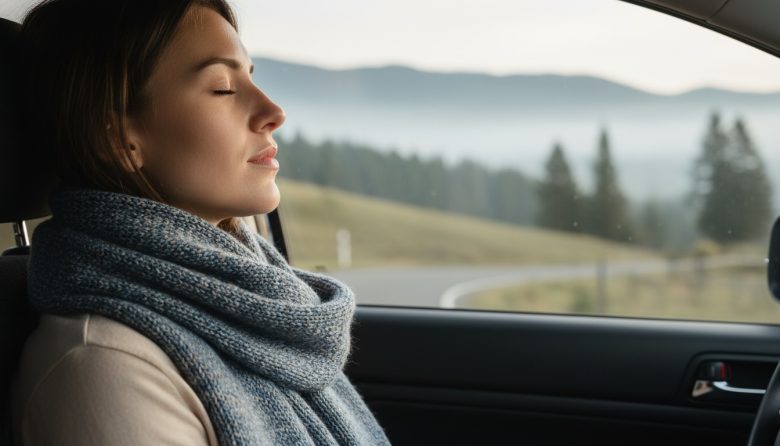
Your morning commute doesn’t have to feel like a battle against time and traffic. Picture this: horns blaring, dashboard clock ticking, your mind already racing ahead to the day’s demands. What if you could shift that chaos into a calm flow, grounding yourself right from the start?
Mindfulness turns your ride into a gentle bridge to the day ahead. It links your thoughts to the feel of movement, helping you arrive focused and steady. In the sections below, we’ll cover setting a grounded tone beforehand, connecting mind and body, flowing with your commute’s rhythm, tailored practices for your travel style, unwinding tensions, and keeping it simple.
Reclaim your ride today. These practical steps fit any schedule, drawing from real daily flows to build balance without extra time. Let’s ease into it, one breath at a time.
Set a Grounded Tone Before Wheels Turn
Start the night before to avoid morning rush. Lay out clothes, pack your bag, and place keys by the door. This small ritual cuts decision fatigue, leaving space for calm.
Tie it to your evening unwind. As you build gentler habits from Evening Stress Eating: Gentler Habits to Build, add a two-minute prep: sip herbal tea while reviewing tomorrow’s route. Feel the warmth in your hands as you visualize a smooth start.
Right before leaving, pause at the door for a breath check. Inhale for four counts, hold briefly, exhale slowly. Notice your feet on the floor—this grounds you before motion begins.
Real example: Sarah, a teacher, does this daily. She stretches her arms overhead, feeling light fill the room. Her commute shifts from frantic to flowing, setting a steady tone.
Link Mind and Body with Gentle Awareness
Mindfulness weaves thoughts and sensations together seamlessly. During your commute, tune into simple body cues to anchor wandering focus. This mind-plus-body connection builds presence without effort.
For walking commutes, sync breath to steps: inhale for three strides, exhale for three. Feel the pavement’s texture underfoot, the air’s cool touch on your skin. This links inner calm to outer movement.
Drivers, grip the steering wheel lightly. Sense its warmth and texture, matching your breath to the road’s gentle curves. A parent I know uses seat warmth against her back as a grounding cue, easing pre-work tension.
On public transit, press your feet into the floor. Notice the subtle vibrations, letting breath rise and fall with them. These practices foster balance, turning travel into a quiet reset for body and mind.
Try it: Next time, pick one cue like hand position or foot pressure. Over days, it strengthens the link, reducing stress carryover into your workday.
Flow with Your Commute’s Natural Rhythm
Your morning commute has its own pace—honor it with mindful timing. Begin slow to build steady energy, adapting to light shifts and traffic pulses. This creates a natural daily rhythm.
Morning option: Gaze at sunrise hues through the window or windshield. Breathe in the soft light, letting it ease your shoulders. If midday overlaps a long ride, pause at stops for deeper breaths, syncing with the world’s hum.
For evening prep within the commute, reflect lightly on one grateful moment from the morning. Exhale lingering thoughts, welcoming the unwind ahead. A commuter friend cycles this: dawn breath in, dusk release out.
Traffic jams become breath pauses. Inhale calm on red lights, exhale on green. This rhythm carries forward, blending commute into your day’s gentle flow.
Adapt as needed: Short walks get footfall syncs; longer drives add radio-off silences. Feel the progression from alert start to relaxed arrival.
Practical Practices for Your Travel Style
Tailor mindfulness to your mode for easy integration. The table below compares key elements across common commutes, making choices clear and overwhelm-free. Pick what fits your path.
| Commute Mode | Breath Anchor | Sensory Focus | Movement Cue |
|---|---|---|---|
| Walking | 4-count inhale/exhale with steps | Footfall rhythm on ground | Shoulder rolls every block |
| Driving | Breath with traffic light changes | Steering wheel grip warmth | Subtle neck tilts at stops |
| Bus/Train | Follow vehicle sway rhythm | Window light shifts | Ankle circles seated |
| Cycling | Pedal stroke breaths | Wind flow on skin | Core gentle engagement |
| Carpool | Shared silence breaths | Seat back support | Finger stretches on lap |
Use this as a quick guide—start with one column per trip. For instance, cyclists love wind cues for instant grounding. It simplifies adaptation, enhancing your travel’s natural ease.
Integrate with strength routines from How to Build Strength with Bodyweight Moves, like adding shoulder rolls to walks. These build resilience alongside mindfulness.
Unwind Tensions with Subtle Shifts
Distractions like horns or pings pull focus—meet them with subtle returns. Notice tension in jaw or grip, then soften with a breath. This recenters without stopping flow.
Email checks at lights? Feel phone weight first, then swipe mindfully. A steering wheel tap rhythm brings you back, turning waits into warmth-building pauses.
For crowded trains, focus on elbow room’s subtle expansion. Exhale crowds mentally, inhale your space. Daily users report less arrival fatigue this way.
Build on portable boosts: If always running late, grab Always Running Late? Portable Healthy Snacks mindfully, savoring texture en route. Shifts like these unwind knots gently.
Keep It Simple: One Breath at a Time
Overwhelm fades when you pick just one practice. Choose a breath anchor or sensory cue—no need for full routines. This reduces mental load, inviting steady habits.
Daily example: On entry to your vehicle or path, do one-minute breath: eyes soft, shoulders drop. Repeat tomorrow, layering only if it feels right.
Invite mindful integration: Pick one moment in your day to practice, like the first red light. Watch calm ripple forward.
Short lists help:
- Select from table.
- Track in a note.
- Gently expand weekly.
It keeps things light and doable.
Carry this simplicity through your day. A grounded commute sets balanced tones ahead, one easy step building on the last.
As you flow into work or home, notice lingering calm. This practice extends naturally, weaving mindfulness into meetings or meals. You’ve reclaimed your ride—let it ground the hours beyond.
Real lives transform here: Commuters arrive warmer, sharper, ready. Your turn starts now, with balance at every turn.
Frequently Asked Questions
Is mindfulness in traffic realistic for stressed drivers?
Yes, it starts small with seat grounding—feel the support beneath you before shifting gears. Practical tips include wheel grip awareness during stops, easing grip tension instantly. Drivers notice quicker calm after a week, turning frustration into flow.
What if my commute is only 10 minutes?
Short bursts shine brightest—one sensory cue like foot pressure suffices. Focus on breath with steps or lights; it packs full benefits without extension. Many thrive on these micro-moments, arriving centered despite brevity.
Can this help with commute anxiety?
It builds resilience through breath-body links, as shared by daily users who report fewer worry loops. Pair awareness of warmth or rhythm with slow exhales to dial down nerves. Consistency turns anxiety into manageable hums.
How do I remember to practice?
Set a phone reminder at departure time or create an entry ritual like key-jingle breath. Tie it to routines like seatbelt click—cues make it automatic. Keep it routine, and recall fades into habit.
Does it fit a busy family morning?
Perfectly—solo in the car or quiet steps scale to any rhythm. Kids in tow? Use shared breaths or window gazes. It adapts, bringing calm to chaotic starts without extra chaos.