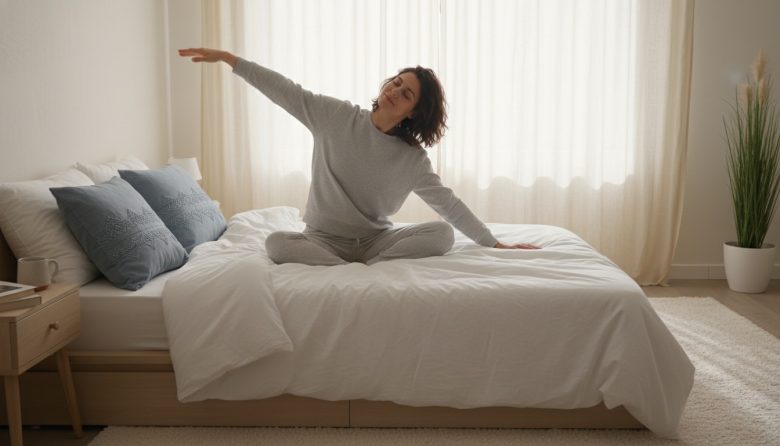
Struggling to quiet a racing mind after a long day? You're not alone—many of us scroll endlessly or replay tomorrow's to-do list, leaving sleep elusive. I remember a busy parent friend, juggling work and kids, who turned restless nights around with a simple evening unwind. Just dimming lights and breathing deeply shifted her to restorative rest, proving natural balance works without fuss.
This guide flows gently through practical steps: creating a grounding space, linking mind and body, shaping your evening rhythm with options, keeping it simple, adding touches, and waking refreshed. No overwhelming changes—just real, daily-life tools for better sleep. Tonight, pick one moment to breathe deeper and notice the calm settle in.
Set a Grounding Bedroom Sanctuary
Your bedroom sets the tone for rest. Start with dim lights to signal unwind time—swap harsh bulbs for warm glow lamps that mimic sunset. Soft textures like plush blankets add warmth and comfort.
Incorporate sensory cues for ease. A hint of lavender from a pillow spray brings gentle calm, or cool cotton sheets ground your body. One reader dimmed her overhead light and added a weighted blanket, falling asleep faster each night.
Keep clutter away to avoid mental buzz. A tidy nightstand with just water and a book invites peace. These small shifts create a sanctuary that pulls you toward sleep naturally.
Test it: Tonight, adjust one light source. Feel how the softer glow eases your eyes and breath into relaxation.
Link Mind + Body for Gentle Unwind
Mind and body connect simply through movement and breath. Try a 5-minute leg stretch: Sit on the bed, extend one leg, and gently pull toes toward you, feeling tension melt from held muscles. This releases the day's buildup.
Follow with 4-7-8 breathing: Inhale for 4 counts, hold 7, exhale 8. Picture your breath as a warm wave smoothing thoughts. A post-dinner example—after family time, this yoga-like pose warmed my friend's calves, quieting her mind for deeper rest.
Make it routine-focused. Pair leg lifts with slow neck rolls to loosen shoulders. Notice the warmth spread, grounding scattered energy.
Practice once: Lie back after stretching, hands on belly, and breathe. This bridges mind calm with body release effortlessly.
Shape Your Evening Rhythm
Build a soothing evening flow that fits your life. Skip midday naps to preserve night sleep, then fade movement gently—like a short walk linking to How to Start a Quick Daily Walking Habit earlier in the day. By evening, shift to stillness.
Around 7pm, choose a light mindful meal. Opt for options from a Weekly Light Eating Plan for Hectic Days, like veggie soup with greens—inspired by 7 Easy Ways to Add More Greens Daily. This nourishes without heaviness.
At 8pm, wind down screens—blue light disrupts natural rhythm. Sip herbal tea like chamomile for warmth. Journal three gratitudes post-dinner: "Warm meal shared," "Quiet laugh with kids," "Soft bed waiting."
Transition smoothly: Lights low by 9pm, body in motion-free zone. This rhythm builds balance, easing you to bed rested.
Evening phases create flow. Midday prep sets success; evening nourishes and reflects. Feel the grounding as habits align.
Your Bedtime Routine Options
Choose a scalable routine to match your evening. This table compares beginner, standard, and full flows for quick personalization. Pick one phase to start, building as comfort grows.
| Evening Phase | Beginner (10 mins) | Standard (20 mins) | Full Flow (30 mins) |
|---|---|---|---|
| Environment | Dim lights | Dim lights + lavender spritz | Dim lights + plush blanket + cool sheets |
| Mind + Body | 4-7-8 breath (5 breaths) | Leg stretch + breath | Leg stretch + neck rolls + breath |
| Nourish | Herbal tea sip | Light greens snack + tea | Mindful soup + tea |
| Reflect | One gratitude note | Three gratitudes journal | Gratitudes + tomorrow's easy win |
| Rest | Bed with eyes closed | Bed + body scan | Bed + full body scan + affirmation |
Use this as your guide—beginner for hectic nights, full for open evenings. It clarifies choices, reducing decision fatigue.
Keep It Simple to Ease In
Overwhelm kills routines, so start tiny. Pick no screens 30 minutes before bed—one habit shifts everything. A busy worker I know chose just breath practice, noticing sleep deepen in days.
Track wins simply: Bedside note says "Breath done—felt calm." No apps needed. Build by adding one step weekly, like tea after breath.
- Choose one: Breath or dim lights.
- Do it nightly for three days.
- Note the ease, then layer next.
This reduces pressure, letting rhythm form naturally. Feel progress without push.
Add Personal Touches for Deeper Rest
Customize with your senses for stickiness. Warm socks ground feet on cool floors; a soft playlist fades volume slowly. One reader added hand lotion ritual—gentle massage brought calm touch, easing her to sleep.
Listen to preferences: If warmth soothes, heated neck wrap during stretch. For sound lovers, nature audio over music. These touches make unwind yours.
- Socks or slippers for foot warmth.
- Lotion rub for hand calm.
- Personal scent like vanilla.
This week, choose one touch. Integrate mindfully—notice how it deepens rest uniquely.
Wake Balanced and Refreshed
A steady rhythm yields grounded mornings. Consistent unwind sharpens focus, eases start. My friend's example: Better energy for kids, no grogginess.
Benefits compound: Deeper sleep, steady mood, natural balance. Wake feeling held by your routine.
Common Questions on Bedtime Routines
How long does it take to build a relaxing bedtime routine?
Expect 2-3 weeks for habits to feel natural, as your body learns the rhythm. Start with one small step, like dimming lights, to build momentum without pressure. Track gentle progress in a note to see shifts early.
Consistency trumps perfection—miss a night, restart softly. Many notice calmer mind in the first week alone.
What if I have a hectic evening schedule?
Lean on beginner options from the table—even 5 minutes of breath grounds you amid chaos. Fit it post-kids' bedtime or during tea break. A hectic mom used just gratitude notes, finding peace in seconds.
Prep midday: Skip heavy lunch for lighter evenings. This keeps flow possible, no matter the rush.
Does this work for shift workers?
Yes—adapt the "evening" to your pre-sleep window, whenever it falls. Dim lights and breath work anytime for balance. Night shifters I know use it post-shift, syncing rest to their clock.
Focus on sensory cues over clock time. Your body responds to the calm signals consistently.
Can kids follow a similar routine?
Simplify for them: Dim lights, story time, and cuddles model calm rest. Add breath as a game—inhale teddy hug, exhale slow. Families report kids sleeping sounder, parents too.
Start together: Joint gratitude shares build family rhythm. It teaches natural unwind gently.
What if I slip up some nights?
Gently restart—no judgment breaks the flow. One off-night fades; pick breath next evening. A reader forgot during travel but resumed, feeling rhythm hold strong.
View slips as reminders to recenter. Your sanctuary waits, pulling you back to balance.