Picture this: it's 9 p.m., you're cozy on the couch, but your phone pulls you into endless scrolls of social feeds and quick videos. That blue light from the screen tricks your brain into thinking it's daytime, blocking the natural melatonin your body needs for rest. I remember one client who swapped her late-night habit for a simple book, and within days, she slept deeper without tossing. This guide offers calm, easy steps to cut screen time before bed, helping you unwind naturally for better mornings.
Screens sneak into our evenings in subtle ways, disrupting the quiet signals your body craves for sleep. The glow keeps your mind buzzing with notifications and stories, making it hard to settle. You'll notice signs like lying awake replaying the day's drama or waking up groggy despite enough hours in bed.
Blue light especially messes with your inner clock, suppressing sleep hormones just when you need them most. Mental stimulation from emails or news adds tension, keeping muscles tight. Spot these patterns gently—no judgment—to start shifting toward balance.
Spot the Hidden Ways Screens Disrupt Your Wind-Down
Your phone's blue light mimics sunlight, telling your brain to stay alert long after sunset. This delays your natural drowsiness, often leaving you staring at the ceiling for an hour. Real-life example: a friend checked work emails at 10 p.m., then tossed until midnight, her mind racing.
The constant input creates a mental buzz, like a low hum that won't fade. Dopamine hits from likes and alerts make stopping feel impossible. Over time, this fragments sleep, leading to fatigue that builds day by day.
Physical cues show up too—tight shoulders from hunching, dry eyes from staring. These signal your body is in "go mode" instead of rest. Noticing them is your first step to reclaiming evenings.
Transition smoothly by dimming screens if you must use them, but aim for full breaks. This awareness sets the stage for reconnecting mind and body naturally.
Mind + Body: Reconnect with Natural Light and Breath
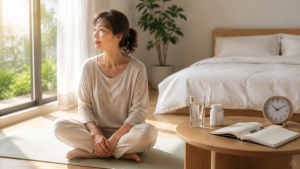
Start by softening room lights after dinner, letting warm lamps take over to mimic sunset. This gentle shift cues your body to produce melatonin without fighting artificial glow. Pair it with deep belly breaths: inhale for four counts, exhale for six, feeling your chest rise and fall.
These breaths counter the stimulation from screens, slowing your heart rate and easing tension. Try it seated on the floor, hands on belly to guide the movement. One woman I know did this for five minutes post-scrolling and felt her mind quiet instantly.
Add gentle neck stretches: tilt head side to side, holding each for 20 seconds with soft exhales. This releases held stress from the day, linking breath to physical ease. Your mind calms as your body unwinds, bridging the gap screens widen.
Practice in low light to enhance grounding—warmth from a nearby candle or blanket adds sensory comfort. These steps rebuild your natural rest rhythm effortlessly.
Shape Your Daily Rhythm for Easier Evenings
Mornings set your circadian flow: step outside for a 10-minute sunlight walk, letting natural light anchor your day. This boosts alertness now and primes better wind-down later. If mornings rush by, even coffee by a window helps.
Midday offers a reset—take a short outdoor break, breathing fresh air to steady energy. Avoid the post-lunch screen slump by stretching arms overhead. This keeps your rhythm balanced, making evenings less tempting for late scrolling.
Evenings seal the pattern: create a cozy lamp ritual at 8 p.m., signaling rest time. Dim everything else, sip herbal tea, and let the soft glow invite calm. One reader shared how this simple switch cut her bedtime phone use in half.
For those too tired after work, easy ways to recharge fast build into this flow, preventing evening crashes. Your day becomes a supportive loop for restful nights.
Evening Routine Options at a Glance
| Screen Habit | Screen-Free Swap | Sleep Benefit |
|---|---|---|
| Scroll news feed | Journal three gratitudes | Quiets racing thoughts |
| Watch videos | Listen to soft music | Eases body into warmth |
| Email check | Light stretching | Releases held tension |
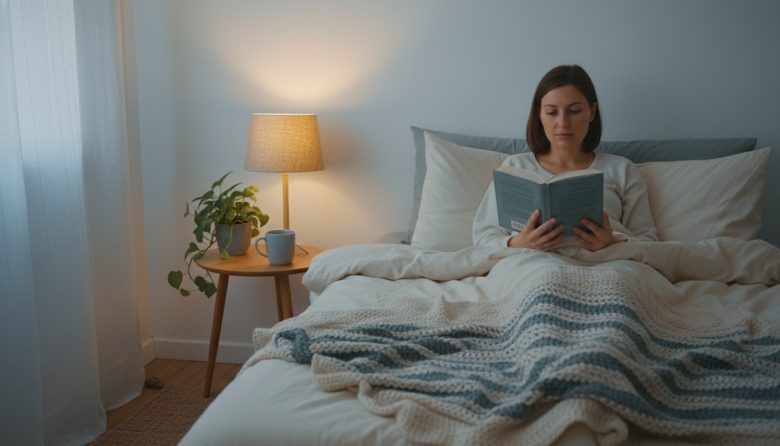
| Binge episodes | Read a physical book | Steadies breathing rhythm |
| Doomscroll trends | Sip warm tea mindfully | Promotes full-body relaxation |
This table highlights quick swaps that fit any evening. Pick one row to try tonight for clear benefits. Visual contrasts make change feel approachable.
Layer in Movement to Ground Your Evenings
After dinner, a slow walk around the block grounds you without exhaustion. Focus on footfalls and evening air, letting movement release screen-built tension. Keep it light—10 minutes shifts your body toward rest.
Try simple yoga: child's pose on a mat, forehead to floor, arms extended with deep breaths. Hold for a minute, feeling back muscles soften. This pose invites calm, countering the forward hunch of scrolling.
Breath-focused walks work wonders too—inhale for steps one to four, exhale four to eight. Swing arms gently to loosen shoulders. A neighbor started this post-meal and slept through the night for the first time in months.
Movement ties into your daily rhythm, building habits that make screen-free evenings natural. It grounds without overwhelming your wind-down.
Keep It Simple: One Small Shift Tonight
Overwhelm kills change, so pick a phone-free zone like your bedside table. Charge it across the room after 8 p.m., out of reach. This tiny boundary creates space for breath or stretches instead.
Use a timer trick: set 20 minutes of no screens before bed, building from there. Real example: my sister started with this during TV time, swapping for tea, and now her whole routine flows easier. No big overhauls needed.
Track wins lightly—a note saying "slept well" reinforces progress. If mornings feel off, how to add mindfulness to your morning commute can complement this evening ease. Simplicity turns intention into habit.
One shift snowballs: less screen pull means more rest, clearer days. Start small to stay consistent.
Build Lasting Balance with Mindful Cues
Sensory anchors like herbal tea's warmth signal unwind time reliably. Hold the mug, notice steam rising, sip slowly to engage taste and touch. This ritual bypasses screen cravings naturally.
Gently track evenings in a notebook: note what worked, like stretches over scrolling. Adjust without pressure, celebrating small balances. Over weeks, your body learns these cues for deeper sleep.
For late nights at work, healthy snack ideas keep energy steady without late screens. Build this into your rhythm for sustained calm. Pick one moment today to practice—maybe tonight's tea sip—and feel the shift.
These cues foster lasting balance, integrating rest into daily life. Your evenings become a gentle close to the day.
Frequently Asked Questions
Will cutting screens hurt my relaxation routine?
No, screen-free swaps often build deeper calm than passive scrolling. Reading a book or listening to music engages your mind softly, leading to true unwind. Try journaling gratitudes—it quiets thoughts better than feeds, with many noticing restful nights right away.
How soon will I notice better sleep?
Often within a week of consistent evenings, as your body adjusts to natural cues. Blue light's absence lets melatonin flow freely, easing into sleep faster. Track mornings for clearer signs like waking refreshed.
What if work demands late emails?
Batch replies earlier in the evening, then switch to night mode sparingly if needed. Set an auto-reply for after-hours, protecting your wind-down. This keeps professional balance without sacrificing rest.
Is this for kids too?
Yes, adapt with storytime from books over tablets, creating family rituals. Dim lights and soft voices signal bedtime naturally. Kids respond quickly, sleeping sounder with less device pull.
Any tools to help track progress?
A simple journal notes evening swaps and sleep quality effectively. Your phone's built-in screen timer provides data without extra apps. Use these gently to celebrate progress toward balanced rhythms.