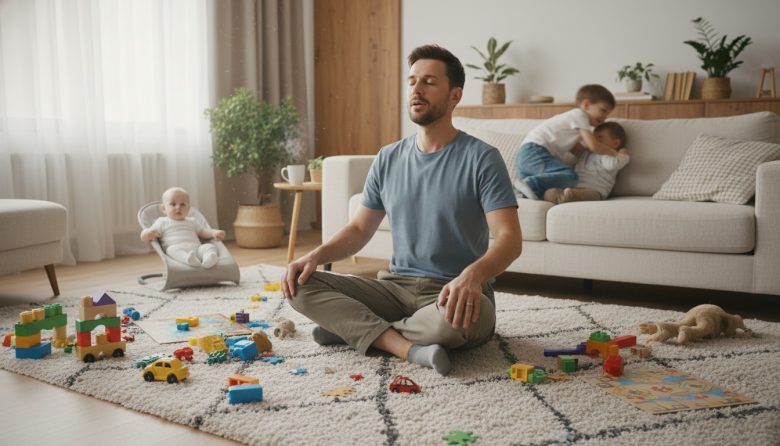
Picture the morning rush: spilled milk pools on the floor, backpacks fly everywhere, and everyone's tempers flare as the school bus honks outside. Family life often feels like a whirlwind of schedules, snacks, and sudden crises. But what if you could weave in quick wellness hacks that take just five minutes to restore calm?
These simple shifts focus on grounding your family's flow amid the chaos. You'll discover mind-body connections that ease tension, daily rhythms to reset naturally, and easy starts that cut overwhelm. Small changes, like a shared breath or a gentle stretch, build balance without adding to your plate.
As a busy parent, I've tested these in my own home—turning snippy dinners into connected moments. They draw on everyday senses: light through the window, warmth of a hug, steady breath. Ready to try? Let's spot the signs first and build from there.
Spot Subtle Signs of Overload in Your Family Flow
Tense shoulders creep up during the afternoon pickup. Short tempers snap over small things, like who left socks on the couch. You might notice skipped breaths—shallow inhales that leave everyone edgy.
Take last Tuesday in my house: the dinner rush turned snappy when homework piled up and the oven buzzer blared. Kids fidgeted, I sighed heavily, and patience thinned. These cues signal your family's rhythm is off-balance.
Do a quick self-check: Are voices rising? Bodies slumping? Meals gulped down? Jot one note daily to track. This awareness paves the way for grounding your mind and body together.
Mind + Body Connection: Anchor Amid the Whirlwind
Scattered thoughts tighten your muscles, creating a loop of unrest. A kid's meltdown mirrors your racing mind, amplifying the whirl. Pause for a two-minute breath: inhale for four counts, exhale slowly, feeling your belly rise and fall.
Try it during laundry folding—gently stretch your arms overhead, linking the movement to releasing worries. In my family, we do a hand-on-heart check-in at bedtime: palms press together, eyes close for 30 seconds. Breath slows, shoulders drop, connection sparks.
This anchors you both physically and mentally. Muscles soften as thoughts settle, like dew grounding morning grass. Another example: during homework battles, sit tall and roll your neck side to side. It shifts the energy without words.
Extend it family-style—guide kids to match your breath. Over time, these pauses build resilience. Your body learns calm is always one breath away, easing the daily pull.
From here, layer in rhythms that fit your day. Morning light, midday breath, evening warmth—they weave seamlessly into family life.
Daily Rhythm: Morning, Midday, Evening Resets
Start mornings with a light stretch by the window, paired with fresh fruit slices. Midday calls for three deep breaths at the table. Evenings unwind with shared warm tea, dimming screens early.
Adapt for family: post-school walks release the day's buildup. These resets ground everyone in natural cycles, fostering balance without force.
For quick contrasts, here's a simple guide:
| Time of Day | Chaos Trap | Calm Swap | Quick Benefit |
|---|---|---|---|
| Morning | Rushing with coffee and screens | Five-minute window stretch + fruit | Wake-up clarity, steady energy |
| Midday | Sluggish post-lunch scroll | Three-breath stand + walk | Refreshed focus, lifted mood |
| Evening | TV overload before bed | Shared tea + pillow talk | Deeper rest, bonded calm |
This table cuts decision fatigue—pick one swap per slot. If you're feeling sluggish after lunch, quick energy boosters like these breaths make a difference right away.
Mornings set the tone: my kids now grab an apple while we stretch toes to sky. Midday resets prevent crashes, especially with packed schedules. Evenings seal the day gently.
Build these into your flow gradually. They honor your body's need for rhythm, turning chaos into steady ground.
Mealtime Moments That Nourish Without the Rush
Mealtimes often rush by with distractions. Shift to shared prep: chop veggies together, breathing in earthy scents. Simple whole-food swaps nourish deeply.
Swap screens for carrot sticks during snacks—crunchy bites ground fidgety hands. In our home, this builds quiet bonds amid the chatter. It ties hunger to presence, easing overload.
For office-inspired ideas at home, how to choose healthy snacks for the office principles work wonders: nuts, fruits over processed grabs. Breath between bites slows the pace. Families feel fuller, calmer after.
Keep plates colorful, portions small. This sensory focus turns meals into anchors, not battles.
Playful Movement to Release Built-Up Tension
Kids thrive on motion—turn backyard tag into stretches at the end. Reach for trees, bend to touch toes, laugh through it. This releases pent-up energy naturally.
Evenings, build pillow forts with deep belly breaths inside. Bodies move, tension melts. Grounding comes from the warmth of play, not drills.
In my yard, freeze tag pauses let us shake out arms and legs. Everyone exhales giggles. It's movement as medicine, simple and fun.
Invite teens too: dance breaks to favorite tunes. Flowing steps unwind the day. Tension fades, play bonds you closer.
Keep It Simple: One Small Shift to Cut the Overwhelm
Overwhelm hits when lists grow long. Pick one hack daily—no more. Phone-free first meal creates space instantly.
Example: mornings, just the fruit stretch. No perfection needed. Track how it ripples: calmer voices, easier transitions.
This reduces mental load, letting balance emerge. Families notice the shift subtly. Pick one moment today to breathe into calm—let it integrate naturally.
Your rhythm rebuilds from here. Small, steady steps ground the whirl.
Frequently Asked Questions
Can these hacks work with toddlers and teens?
Yes, tailor to ages with short bursts. For toddlers, hand-on-heart lasts 10 seconds amid play. Teens join evening walks, sharing one breath—builds buy-in without push.
What if my partner isn't on board?
Lead by example: breathe visibly during rushes. Invite one shared moment, like tea at night—no pressure. Calm draws them in naturally over time.
How soon will I notice calmer family vibes?
Often within a week of consistent picks. Track with a bedside note: fewer snaps, better sleep. Subtle shifts compound quickly.
Do I need special tools or apps?
No, rely on breath, light, movement—household basics. Window for morning glow, pillows for forts. Everyday access keeps it doable.
Is this enough for deeper stress?
It's a strong foundation for daily flow. For ongoing strain, pair with professional talks or therapy. These hacks support, not replace.
Especially if stress lingers at night, how to improve sleep when you're always stressed can complement evening resets beautifully.