Picture this: you're midway through another day glued to your desk, shoulders creeping up toward your ears, eyes glazing over the screen. That familiar slump hits—tight neck, foggy brain, energy dipping low despite your third coffee. Prolonged sitting throws off your body's natural rhythm, starving muscles of movement and breath, leaving you drained by afternoon.
Simple moves can reset this without upending your schedule. These aren't gym workouts or time thieves; they're quick, grounding shifts like shoulder rolls or seated twists that invite balance back into your flow. As someone juggling meetings and deadlines, I've found weaving them in restores clarity and lightness, proving busy days don't have to mean fatigue.
Ready for realistic steps? You'll reclaim your rhythm with moves that fit your chair, taking just minutes. Stick around for a daily breakdown, easy hacks, and proof these work even on your packed calendar.
The Subtle Drain of Hours at Your Desk
Sitting for hours tightens everything from your hips to your upper back, creating knots that pull focus away from tasks. You might notice shallow breaths quickening under stress, fog settling over decisions, or legs feeling heavy and restless. This isn't laziness—it's your body signaling for the movement it craves to maintain circulation and spinal flow.
Without breaks, posture slumps, compressing your core and dimming mental sharpness. Low energy creeps in as blood pools instead of pumping steadily. Recognizing these signs early lets you act, turning desk time from drain to sustainable pace.
Think of it as tending a garden: neglect movement, and vitality wilts. Gentle resets keep things thriving, especially when paired with natural cues like standing to stretch toward window light.
Mind + Body: Syncing with Gentle, Everyday Links
Link breath to motion for instant calm—inhale as you roll shoulders back, exhale to release jaw tension. This duo eases racing thoughts while loosening physical binds, creating a calm flow between awareness and ease. Try it during a quick call pause; notice how scattered focus grounds into the present.
Standing twists offer another bridge: pivot gently side to side, letting arms swing loose, syncing torso turns with steady exhales. Mental chatter quiets as your body realigns, fostering balance without force. It's practical for busy moments, like between emails.
These pairings build habits that last because they're sensory—feel the warmth building in muscles, the lightness in your step. Over time, they weave mind and body into a unified rhythm, reducing desk-induced haze naturally.
Daily Rhythm: Morning Lift, Midday Reset, Evening Unwind
Timing moves to your day's natural flow amplifies their effect, starting light in the morning to awaken, resetting midday to combat slump, and unwinding evenings for recovery. This approach fits seamlessly, even if your commute sets a rushed tone. For instance, when adding mindfulness to your morning commute, a quick seated stretch transitions smoothly into desk hours.
Morning lifts prime your spine and breath for focus. Midday resets boost circulation without leaving your spot. Evenings release the day's buildup, promoting restful close.
A quick glance at options clarifies the best fit for your rhythm, mapping moves to times with clear benefits.
Daily Desk Moves at a Glance
| Time of Day | Simple Move | Duration | Key Benefit |
|---|---|---|---|
| Morning | Seated cat-cow stretch | 2 minutes | Awakens spine flow and breath awareness |
| Midday | Desk march in place | 3 minutes | Boosts circulation and clears mental fog |
| Evening | Forward fold release | 4 minutes | Eases accumulated tension for better rest |
Use this as your go-to reference—pick based on need, adjusting as your day unfolds for sustained balance.
Keep It Simple: One Move to Cut Through Overwhelm
Overwhelm hits when options multiply, so zero in on one sensory cue: the steady warmth from a neck glide or the rhythm of ankle rolls. As a busy person, set a single phone reminder for midday—say, 2 PM—to trigger your reset without thinking. This hack builds momentum gently, turning intention into habit.
Checklist for success: notice tension first, choose your move, do it fully present, then return refreshed. No need for perfection; one consistent moment shifts your entire flow. It cuts decision fatigue, making desk days feel lighter.
Even if you travel often and stay healthy while on the go, this single-move anchor keeps fatigue at bay amid changes. Simplicity grounds you, proving less effort yields more lasting rhythm.
Breath and Flow: Desk-Side Moves for Instant Grounding
Start with wrist circles: extend arms, rotate slowly in both directions for 30 seconds each, syncing with deep breaths. Feel circulation return to hands strained from typing, easing that achy grip. This quick flow restores dexterity without standing.
Neck glides follow naturally—tilt ear to shoulder gently, hold two breaths, switch sides. Release the forward-head hunch from screens, inviting lightness up top. Pair with a soft sigh on exhales for deeper unwind.
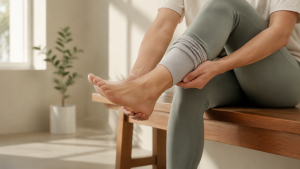
Ankle rolls ground the lower body: lift one foot, circle ankle clockwise then counter, 10 times per side. Blood moves upward, countering sedentary stickiness in legs. These steps form a routine chain, each building on the last for full-body balance.
Incorporate them post-meeting or hourly; the habit sticks because results are immediate—warmer limbs, sharper focus. Busy schedules thrive on such practical resets.
Pick one moment in your day for a simple move. Notice the shift in breath and posture, letting it ripple through your rhythm naturally.
FAQ
Can these moves really help if I'm glued to my desk 8+ hours?
Yes, short bursts of 2-3 minutes multiple times restore natural flow, countering stagnation without workflow breaks. Users report less end-of-day drag after a few days, as movement revives circulation and mental clarity. Consistency amplifies gains, fitting even rigid schedules seamlessly.
Do I need special space or gear to start?
No, every move works from your chair or standing desk spot—no mats, bands, or room required. They're designed for office constraints, using body weight and breath alone. Start wherever you sit, building confidence through familiarity.
How soon will I notice less fatigue?
Many feel lighter by day's end from one or two resets, with fuller balance emerging in a week of daily practice. Track subtle shifts like easier focus or looser shoulders to stay motivated. It's progressive, rewarding steady integration.
What if I forget amid deadlines?
Tie a move to an existing habit, like a deep breath after sending an email or standing post-call. Phone reminders fade, but anchors like these create effortless cues. Over time, your body craves the rhythm, prompting you naturally.
Is this safe for back issues or beginners?
These are gentle, modifiable moves—slow down or shorten holds as needed. Beginners build ease quickly; for back concerns, consult a doctor to personalize. Focus on breath-led motion ensures safety and comfort from the start.