Picture this: You've just rushed through traffic or squeezed onto a crowded train, your shoulders knotted from endless meetings, emails pinging in your mind. The door closes behind you, but the day's tension lingers like a heavy fog. What if you could shift into calm in just 10-15 minutes using simple breath, gentle movement, and a natural evening rhythm?
These practical steps are designed for busy people like you—realistic, no fancy gear needed. We'll explore sensory cues to anchor your arrival home, mind-body connections that release desk-bound stress, and flowing evening options tailored to your energy. Plus, easy ways to nourish with warmth and build lasting habits without overwhelm.
By tuning into light, breath, and subtle movement, you'll signal your body it's time to unwind. No big lifestyle overhauls—just small, grounding shifts for better rest. Ready to reclaim your evenings? Pick one cue, like a doorway breath, and try it today.
Arrive and Anchor: Sensory Cues to Signal Shift
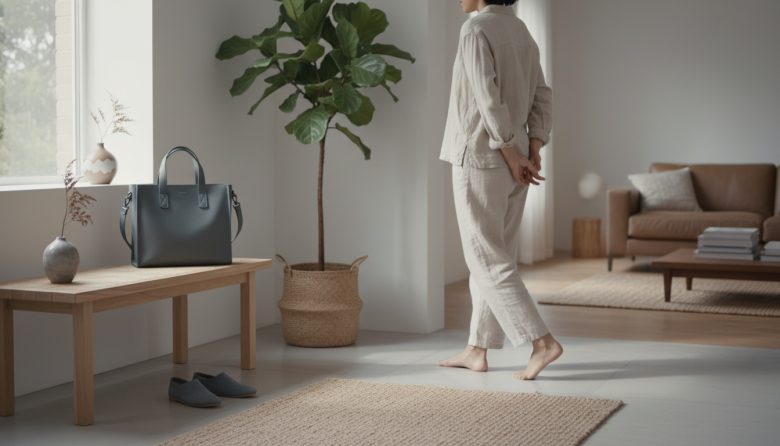
Stepping through your door is your first chance to mark the end of the workday. Swap work shoes for soft slippers to feel the ground beneath you. Dim the lights or open a window for natural evening light—this simple change cues your nervous system to slow down.
For a busy-person hack, pause in the doorway for a 2-minute breath: Inhale deeply through your nose for a count of four, feeling your belly expand. Exhale slowly through your mouth, releasing the day's weight. This anchors you right away, no extra time required.
Extend it by stepping outside for fresh air if weather allows, or slip into comfortable clothes that invite relaxation. These sensory shifts—soft textures, cooler air, softer light—build a reliable signal. You'll notice tension easing faster each time.
Relatable for desk workers: If you're coming from a long sit, this doorway ritual prevents carrying stiffness into dinner prep. It sets a calm tone without effort.
Reconnect Mind + Body: Breath Meets Gentle Movement
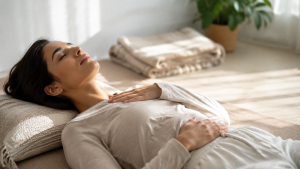
Your mind races while your body holds the strain—shoulders up, jaw tight from screens. Pairing breath with movement bridges this gap, releasing held tension in minutes. Start with deep belly breaths: Place one hand on your belly, inhale to lift it, exhale to soften.
Add shoulder rolls—circle them back five times, then forward. Feel the warmth build as muscles loosen. This mind-body link grounds scattered thoughts into your physical presence.
Try a 5-minute wall stretch: Face a wall, hands at shoulder height, step back into a gentle lunge. Breathe into your hips and chest, unwinding desk hunch. Do it while water boils for dinner—practical multitasking.
Another flow: Stand tall, arms overhead on inhale, fold forward on exhale. Repeat slowly. These moves sync breath with body awareness, easing mental chatter. For more desk tension tips, consider ways to stay active when stuck at a desk, blending into your unwind.
This connection isn't rushed yoga—it's relatable relief. Busy parents or execs find it fits between backpack drop-off and meal time. Over days, it becomes instinctual.
Craft Your Evening Rhythm: Flow from Day to Rest
Evenings thrive on rhythm, not rigid rules—a gentle flow from work mode to rest. Tailor yours with evening options: a light transition snack, quick movement, or pre-bed ease. Match to your energy for sustainability.
Begin with a small anchor, like that doorway breath, then layer in one more element. This creates momentum without pressure. Below, quick options help you choose based on time and needs.
Quick Evening Rhythm Options
| Rhythm Style | Duration | Key Sensory Cues | Best For |
|---|---|---|---|
| Light Movement Flow | 10 min | Warmth from gentle rolls, steady breath | Post-desk fatigue, tight muscles |
| Breath + Tea Pause | 5 min | Deep inhales, soothing warmth | High mental load, racing thoughts |
| Stretch + Journal | 15 min | Soft light, grounding stretches | Creative unwind, reflective processing |
Pick one row that fits tonight—say, Breath + Tea if your mind's buzzing. Rotate to keep it fresh. This structure clarifies choices for busy evenings.
Transition smoothly: After your rhythm, dim lights further. It fosters balance naturally.
Ground with Nourishing Warmth: Simple Evening Fuels
Warmth nourishes from within, signaling safety to your body. Brew herbal tea—chamomile or ginger—for a ritual that steeps calm. Hold the mug, feel steam on your face, sip slowly.
No time? Pre-make infusions in jars the night before—zero evening effort. Add lemon for brightness or honey for comfort. This pairs perfectly with breathwork.
Upgrade to a foot soak: Warm water in a basin, 10 minutes while seated. Epsom salts optional for muscle ease. It draws tension downward, grounding you.
These fuels balance the cool evening air outside. For active days, link to starting a quick daily walking habit earlier, then unwind with warmth. Simple swaps like these restore rhythm.
Busy hack: Keep tea bags by the door. One pour shifts your state profoundly.
Keep It Simple: One Ritual to Cut Overwhelm
Overwhelm hits when lists grow long—keep unwind to one ritual. Checklist: Breath (2 min), Stretch (5 min), or Tea (warm hold). Circle what calls today.
- Breath: Doorway pause, exhale day.
- Stretch: Wall or fold, sync breath.
- Tea: Sip mindfully, no screens.
Start with 5 minutes tonight—no perfection needed. This reduces decision fatigue, building quiet confidence. Motivate gently: You've earned this pause.
As habits root, add a second if it flows. For strength alongside ease, explore building strength with bodyweight moves in mornings, contrasting your evening calm.
Simplicity invites lasting change. One ritual snowballs into rhythm.
Sustain the Flow: Habits for Lasting Evening Balance
Lasting unwind comes from tiny consistencies. Prep the night before: Lay out slippers, fill tea jar. Time-saving sync with partners—alternate kid duty for your 10 minutes.
Track lightly: Note one word post-ritual, like "lighter." Weekly review spots what sticks. Tie to cues—shoes off means breath starts.
For high-stress weeks, shorten to essentials. Real example: A manager I know preps infusions Sundays, claims 20% better sleep. Build naturally, pressure-free.
Invite one mindful moment tomorrow: Perhaps tea during news scroll swap. This rhythm supports deeper rest, brighter mornings.
FAQ
Can I unwind in just 5 minutes if I'm exhausted?
Yes, absolutely—focus on one cue like breath plus a warm mug. This mini-shift releases enough tension to ease into rest, building capacity for longer flows over time. Exhausted evenings thrive on brevity, preventing total shutdown.
What if my home is chaotic with family or kids?
Adapt seamlessly: Use headphones for a guided breath audio in the car or doorstep, or stretch while supervising homework. Integrate family with shared tea time—turn it communal. Chaos becomes part of the rhythm, not a barrier.
Does ditching screens right away really help?
It does, by swapping blue light stimulation for dim, grounding warmth. Start with a 20-minute rule—phone down at door, cue breath instead. Most notice quicker calm, better sleep onset.
How do I make this a habit without extra time?
Anchor to existing transitions: Shoes off triggers breath, kettle on cues stretch. Set a one-week phone reminder, then let cues take over. It weaves in naturally, reclaiming moments you already have.
Is this effective for high-stress jobs?
Highly— it targets physical tension release where stress lodges. A tech exec client used daily Breath + Tea, reporting clearer decisions next day. Practical for any intensity, with real results in weeks.