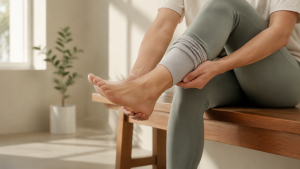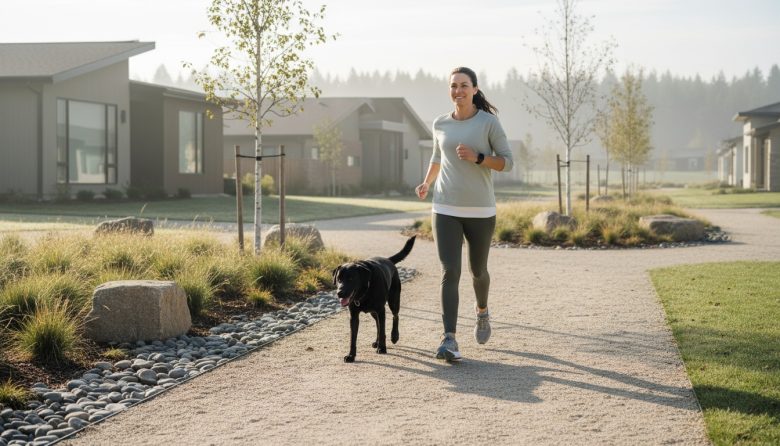
Picture Sarah, a mom juggling work calls and kid pickups. One afternoon, feeling scattered, she stepped outside for just 10 minutes. The simple rhythm of her feet on the pavement brought steady breath and a wave of calm. That short walk grounded her, easing the day's pull without adding more to her plate.
Walking offers natural balance through movement and fresh light. It warms your body gently, clears mental fog, and syncs your steps with breath. No gym needed—just your body in motion restores daily flow.
This guide cuts through the noise with no-fuss steps. You'll build a quick daily walking habit that fits your life. Start small, stay steady, and feel the shift in body and mind. Real examples from busy lives show how anyone can weave this in.
Feel the Steady Pull: Why Walking Restores Daily Balance
Walking taps into your body's natural rhythm for grounding. Each step sends warmth through your legs and core, waking muscles without strain. Fresh air sharpens focus, replacing screen haze with clear light.
Consider a teacher after hours of standing. A 10-minute walk eases tight joints and quiets racing thoughts. Breath deepens naturally, pulling oxygen to every cell for steady energy.
Studies back this: regular short walks lower stress markers and boost mood chemicals. They improve sleep by signaling unwind time to your body. Over weeks, this builds resilience against daily pulls.
Movement like walking links mind and body seamlessly. It reduces inflammation from sitting, promoting joint warmth and flow. Mental clarity follows as endorphins rise with each stride.
For desk workers, walks counter slump. They enhance posture through gentle sway, fostering balance. This holistic shift supports heart health and digestion too.
Simple Kit: Gather What Grounds Your Steps
Keep gear minimal to avoid excuses. Comfy shoes top the list—ones with cushion for pavement feel. A water bottle stays hydrated, especially in warmth.
Phone handles timers and tracks steps if wanted. No fancy watch needed. Slip sneakers by the door for instant cue, like a nurse does before shifts.
Layer light clothes for weather shifts. Add sunglasses for bright light. This setup takes under a minute, grounding your start.
Real tip: Reuse daily shoes to build ritual. Test a short loop first. Your kit stays simple, steps flow easy.
Mind + Body: Steps that Link Breath and Movement
Sync breath with footfall for instant calm. Inhale for two steps, exhale three—feel chest expand, legs warm. This ties mind to motion naturally.
Scan your body mid-walk. Notice calf warmth, shoulder release. A desk worker feels neck tension melt with arm swings.
Gentle arm pumps add flow. Swing loosely, matching pace. Breath steadies heart rate, grounding scattered thoughts.
Example: During lunch breaks, count breaths per block. Body warmth builds, mind clears. Practice once daily for habit link.
End with a pause: stand tall, feel ground under feet. This seals mind-body connection without fuss.
Your Daily Rhythm: Morning Glow, Midday Flow, Evening Ease
Morning walks catch soft light for grounding start. They set a balanced tone, warming limbs before rush. Breath feels crisp, mind aligns.
Midday offers quick reset amid tasks. If feeling sluggish after lunch, a short loop revives without caffeine crash. Pair steps with natural light for focus lift.
Evening eases built-up tension. Post-dinner stroll aids digestion, unwinds with fading warmth. Breath slows naturally into rest.
Choose based on your flow. Test each slot once. Rhythm builds as body craves the movement.
Daily Walking Rhythm Options
| Time Slot | Key Benefits | Integration Tips | Sample Duration |
|---|---|---|---|
| Morning | Glow of dawn light energizes; breath deepens for calm start | After coffee, before emails; step out door immediately | 10 minutes |
| Midday | Quick reset counters slump; warmth clears midday fog | Post-meal loop around block; sync with lunch break | 10-15 minutes |
| Evening | Unwinds tension; gentle movement preps for sleep | After dinner dishes; neighborhood path with slow pace | 10 minutes |
Keep It Simple: Small Steps Beat Overwhelm
Start with 5 minutes—no more. Build from there as body adapts. One cue like post-meal door works wonders.
Track in phone notes: date, feel after. A parent notes calmer evenings after kid bedtime walks. Ritual shoes by door prompts without thought.
- Set phone alarm for cue time.
- Step out, breathe deep once.
- Walk steady, return warm.
Skip perfection. Missed day? Restart next. This cuts overwhelm, builds lasting rhythm.
Pair with a 30-day gentle movement plan for beginners if ready for more. Pick one moment today: just step out and move.
Gentle Fixes: Smooth Past Walking Hurdles
Weather turns? March in place indoors—lift knees, swing arms for warmth. Open a window for light and breath.
Motivation dips? Buddy up or play podcasts. A coworker duo shares steps, turning solo into social ease.
Pain flares? Scan body first: stretch tight spots gently. Shorter paces on soft grass reduce jar.
Tired feet? Rotate shoes, add socks for cushion. If choosing smart snacks on the go, fuel walks with nuts for steady energy.
Busy schedule? Break into two 5-minute spurts. Consistency trumps length—body thanks the rhythm.
Frequently Asked Questions
What's the shortest walk to start building the habit?
Five minutes counts. Focus on steady steps and breath sync. A real example: a barista does one block post-shift, feeling grounded instantly. Build by adding a minute weekly—no pressure.
What if bad weather keeps me indoors?
Switch to marching or hallway laps. Keep shoes on, timer set for same duration. Feel warmth build same as outdoors. This maintains rhythm without break.
Do I need fitness tracker for daily walks?
No—phone steps or notes suffice. Track feel over numbers: warmer limbs, clearer head. Apps optional; body feedback guides best.
How does walking fit a packed schedule?
Tie to routines: post-meal, dog walk, commute end. Five minutes slots anywhere. Busy execs park farther for instant steps—fits seamless.
Can short walks really reduce daily stress?
Yes—breath and movement lower cortisol fast. Studies show 10 minutes rivals longer sessions for calm. Parents report less evening fray after quick loops.