Picture this: it's a typical Tuesday, kids shuttled to school, emails piling up, and dinner already simmering on the stove. Yet, somehow, you rack up 5,000 extra steps without missing a beat—parking a block farther, pacing during a quick call, circling the yard after supper. No gym memberships, no carved-out hours, just gentle nudges into your day's natural flow.
This is the quiet power of weaving walking into what you're already doing. It builds vitality without the strain of overhaul. Busy parents, desk warriors, and night owls alike find balance here, turning ordinary moments into movement that sticks. Small integrations create lasting habits, grounding your body in rhythm while easing mental clutter.
I've seen it transform rushed days into ones with more lightness. You don't need a schedule rewrite; you need seamless swaps. Let's explore how walking fits your life like a well-worn path.
Feel the Pull: Why Walking Fits Your Life's Natural Flow
Time scarcity often feels like the biggest barrier to more movement. But walking isn't about adding blocks of time—it's extending the motions you're already in, like waiting or transitioning between tasks. Reframe it as a natural extension, not a chore.
A practical hack: track your baseline steps for just one day using your phone's pedometer. Notice the pockets—standing at the coffee machine, lingering in line, or scrolling in the carpool wait. These reveal untapped spots for gentle pacing without disruption.
Many overlook how sedentary slumps creep in during these static moments. By spotting them, you reclaim movement effortlessly. Suddenly, 2,000 extra steps emerge from your existing rhythm, fostering balance without pressure.
This approach sidesteps motivation dips because it's tied to real life. No guilt over missed workouts; just steady gains in warmth and looseness from simple strides. It's practical for anyone juggling deadlines and family demands.
Mind + Body: Ground Yourself with Each Step
Walking bridges mind and body through simple sensory cues. Feel your breath sync with footfalls, building a gentle warmth in your legs. This grounds scattered thoughts, releasing tension you didn't realize was there.
Take a looped errand walk: as you circle the block for mail, notice shoulders softening with each step. Or after a meal, a short stroll settles digestion while calming post-work buzz. These moments create space without extra effort.
For busy schedules, pair it with a podcast—mental unwind flows alongside physical ease. This dual benefit sharpens focus later. It's a low-key way to integrate movement that nourishes both.
When stress lingers into evenings, walking complements approaches like How to Improve Sleep When You're Always Stressed. The rhythm quiets the mind, prepping for restful nights. Practical and potent.
Daily Rhythm: Morning Glow, Midday Reset, Evening Unwind
Your day has built-in rhythms—lean into them for walking swaps. Mornings offer a fresh start: park farther from school drop-off or the office, turning arrival into a brisk 10-minute walk. It infuses glow without rushing.
Midday resets recharge amid lunch breaks: loop the block during a hands-free call or coffee run. This breaks desk stagnation, bringing light and air to heavy afternoons. Evening unwinds cap the day: post-dinner yard laps or porch pacing aid digestion and release the day's hold.
| Rhythm | Seamless Swap | Steps Gained | Added Benefit |
|---|---|---|---|
| Morning | Park farther during school drop-off | 1,000-2,000 | Energizes start, boosts mood |
| Midday | Loop block on lunch calls | 1,500 | Mental reset, curbs fatigue |
| Evening | Post-dinner yard laps | 1,000 | Settles digestion, promotes calm |
These options scan quickly for your fit—pick based on peak energy. A parent might favor morning swaps amid routines, while remote workers thrive on midday loops. Post-table, test one: mornings build momentum, middays sustain it, evenings seal balance.
Real examples abound: one user added 4,000 steps weekly via evening laps, feeling lighter by week's end. Another looped calls daily, noting sharper focus. Tailor to your flow for rhythm that lasts.
Details like fresh morning light or evening dusk enhance the pull. No perfection needed—just consistent, small strides weaving movement in.
Keep It Simple: Micro-Moves That Stick
Overwhelm kills habits, so start with one trigger: after your first coffee sip, stand and pace five minutes. This micro-move builds without fanfare. Focus on rhythm over rigid step counts.
Checklist for sustainability:
- Pick one daily anchor, like brushing teeth—extend it with hallway laps.
- Wear comfy shoes nearby for instant readiness.
- Note post-walk feel: warmth or clarity reinforces the pull.
- Scale gently: add a second trigger after a week feels natural.
These hacks suit busy lives, turning intention into autopilot. No apps required at first; let body cues guide.
Simplicity fosters lasting balance. One step at a time prevents burnout.
Layer Walks onto Everyday Anchors
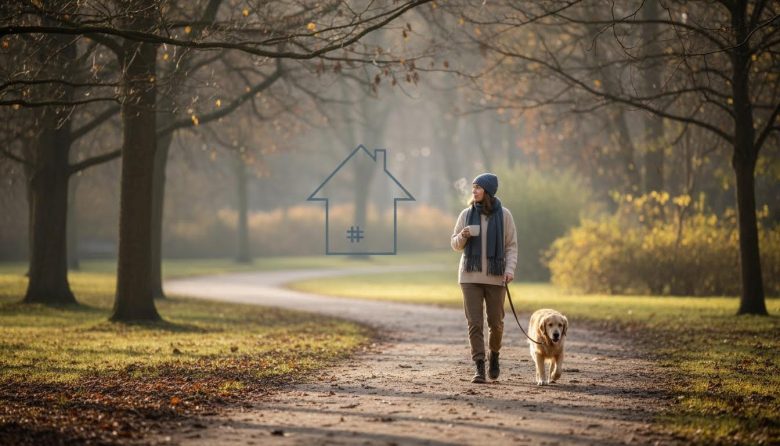
Habit-stacking amplifies ease: pace while phone-scrolling in the kitchen or extend the dog leash for longer loops. These layer movement onto pauses without halting life.
During calls, circle the room—hands-free strides add thousands weekly. Waiting for the kettle? March in place, feeling legs wake. Parents circle playground edges, blending family time with steps.
Time-saving gold: no pauses needed. Scroll feeds become mobile, calls gain energy. This integrates seamlessly, like breathing.
For variety, complement with No Gym Time: Easy Home Moves for Busy Schedules. Walking anchors the day, home moves fill gaps.
Explore How to Start a Quick Daily Walking Habit for more stacking ideas. Natural progression builds stride.
Sustain the Stride: Gentle Tweaks for Long-Term Balance
Plateaus happen—switch terrain: neighborhood hills one day, flat loops the next. Invite a companion for chat-paced walks, keeping it social and fresh.
Track loosely via phone apps, celebrating non-scale wins like looser clothes or steady energy. Variety and cues maintain the rhythm.
One mindful moment daily—feel the ground underfoot—anchors long-term gains. Gentle tweaks ensure balance endures.
Pick one rhythm integration today: notice the shift in your step, the subtle warmth building. Let it weave into your flow for vitality that lasts.
FAQ
Can I really add thousands of steps without changing my schedule?
Yes, by swapping static moments like waiting in lines or carpool idles with gentle pacing. Real users report 20-30% increases, like 3,000 extra steps from parking farther and call loops. It fits existing rhythms, building habits without disruption.
What if I live in a city without safe walking spots?
Indoor options shine: hallway laps during laundry cycles or treadmill-desk pacing at home. Pace while folding clothes or cooking—same step gains, full safety. These keep the flow indoors, grounding your space.
Will short walks make a health difference?
Research affirms consistent micro-walks lower stress hormones and boost circulation, compounding to real gains like better blood sugar and mood. Even 10-minute integrations daily shift sedentary patterns. Over weeks, the body adapts, vitality grows.
How do I stay motivated without tracking apps?
Anchor to sensory cues: fresh air's crispness, muscle warmth, or breath's steady rhythm. These intrinsic pulls outlast numbers. Pair with enjoyed podcasts for mental lift, making strides a welcome pause.
Is walking enough if I'm already active some days?
It complements perfectly, fostering daily balance to prevent sedentary slumps on off days. Uneven activity smooths out, supporting recovery and consistency. Respect your body's need for steady movement rhythms.