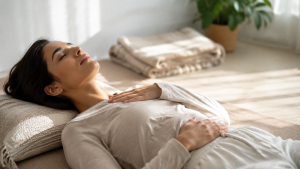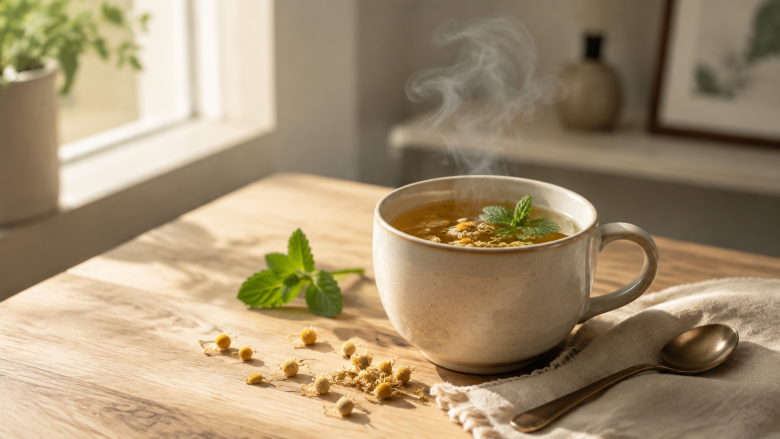
Last Tuesday, after a video call that went sideways, I felt my shoulders creep up toward my ears. I didn't reach for a pill or a glass of wine. I walked to the kettle, filled it with filtered water, and set the temperature to 160°F. That five minutes-waiting, pouring, inhaling-did more for my nervous system than any supplement I've tried. Here's why and how you can do it too.
The fastest stress relief from tea isn't from the chemicals-it's from the sensory experience: the warmth of the cup in your hands, the steam on your face, the ritual of measuring and pouring. That's immediate, within seconds. The L-theanine and other compounds take 30-45 minutes to cross the blood-brain barrier. So if you need calm right now, focus on the process, not just the tea.
The Two Speeds of Tea Stress Relief: Sensory vs. Chemical
When you sip a hot cup of tea, your body responds on two distinct timelines. The first is the sensory pathway: the heat stimulates your vagus nerve, which activates your parasympathetic nervous system-the "rest and digest" mode. The aroma of certain herbs like chamomile or lavender directly triggers olfactory receptors that send calming signals to your brain. This effect is nearly instantaneous, often within seconds of lifting the cup to your lips.
The second pathway is chemical. Tea contains compounds like L-theanine, an amino acid found almost exclusively in tea leaves. Research shows that L-theanine increases alpha brain wave activity, which is associated with relaxed alertness, and reduces cortisol, the stress hormone. However, this effect takes time-typically 30 to 45 minutes after ingestion-because the compound must be absorbed through the digestive tract and cross the blood-brain barrier. A 2016 study from the Japan Society of Physiological Anthropology found that L-theanine significantly reduced stress and anxiety in participants, but the impact was observed after 60 minutes, not immediately.
Understanding this dual timeline is key. If you're looking for instant relief, you need to maximize the sensory experience. If you're planning ahead for a stressful event, the chemical compounds will help you stay steady. The best approach is to combine both: use the ritual to calm your body now, and let the tea's chemistry sustain that calm for the next hour.
The 5-Minute Stress Reset Brewing Protocol
Here's the exact method I use when I need a fast dose of calm. It takes five minutes from kettle to first sip, and it includes a breathing exercise that amplifies the effect. You'll need a thermometer or an electric kettle with temperature control, a loose-leaf tea infuser or a tea bag, and a mug that you actually enjoy holding.
Step 1: Heat the Water to the Right Temperature
For green tea, use water at 160-170°F (71-77°C). Boiling water (212°F) destroys the delicate L-theanine molecules and releases bitter tannins, which will leave you more tense, not less. For herbal teas like chamomile, peppermint, or lavender, you can go hotter-around 200°F (93°C)-since these don't contain L-theanine but do have volatile oils that need higher heat to extract.
If you don't have a temperature-controlled kettle, let the water come to a rolling boil, then let it sit for 2-3 minutes before pouring. This brings it down to roughly 170-180°F, which is acceptable for most green teas. I've made the mistake of skipping this pause and ending up with a bitter cup that made me more agitated. Don't skip the wait.
Step 2: Measure Your Tea
Use 1-2 teaspoons of loose-leaf tea (or one tea bag) per 8-ounce cup. More tea doesn't mean more calm; it means more bitterness, especially with green tea. For a stress-focused cup, err on the side of less. You can always add more, but you can't take out over-steeped bitterness.
Step 3: Steep for the Right Time
Green tea: 2-3 minutes. Chamomile: 5 minutes. Lavender: 3-4 minutes. Set a timer-don't guess. Over-steeping not only ruins the flavor but also increases the release of caffeine and tannins, which can spike your heart rate and undo the calming effect. For herbal teas, you can steep longer without much downside, but for green tea, precision matters.
Step 4: Breathe While You Wait
This is the secret weapon. While the tea steeps, do the 4-7-8 breathing technique: inhale quietly through your nose for 4 seconds, hold your breath for 7 seconds, exhale fully through your mouth for 8 seconds. Repeat this cycle four times. This pattern slows your heart rate and shifts your nervous system into a relaxed state. It's not just a gimmick-it's a well-documented practice used by military personnel and first responders to manage acute stress.
The combination of the tea's aroma, the heat of the water, and the rhythmic breathing creates a powerful sensory anchor. I've found that this five-minute window is more effective than a ten-minute meditation because it gives your hands and mind something to do.
Step 5: Pour and Sip Mindfully
Once steeped, remove the infuser or tea bag. Hold the mug with both hands-this might feel indulgent, but it's essential. The warmth transfers through your palms and stimulates the vagus nerve, which is a direct line to your relaxation response. Take a small sip, notice the temperature, the flavor, the sensation as it travels down your throat. Don't scroll on your phone. Just be present for the next two minutes.
If you're tracking your intake, you might be curious about calories. Green tea has essentially zero calories per cup, but if you're adding honey or milk, those add up. Use our green tea calorie calculator to see exactly what you're consuming.
Which Teas for Stress? (What Tea Gets Rid of Stress?)
Not all teas work the same way. Some are better for immediate sensory calm, while others provide a slower chemical shift. Here's a breakdown of the most effective options, based on both research and personal trial.
- Chamomile - The gold standard for stress. It contains apigenin, an antioxidant that binds to benzodiazepine receptors in the brain, producing a mild sedative effect. It's caffeine-free, so you can drink it any time. For instant calm, the aroma alone is enough to lower anxiety levels. Steep for 5 minutes at 200°F.
- Green tea - The best for focused calm. The L-theanine gives you a relaxed alertness without the jitters of coffee. However, it contains caffeine (about 30 mg per cup), so if you're sensitive to caffeine, it might actually increase anxiety. Steep at 160°F for 2-3 minutes to preserve L-theanine.
- Lavender tea - Lavender is known for its anxiety-reducing properties. It affects the limbic system, which controls emotions. A 2019 study in the Journal of Affective Disorders found that lavender aromatherapy significantly reduced anxiety scores. For tea, use dried lavender buds and steep for 3-4 minutes. Expect a floral, slightly sweet taste.
- Peppermint - Peppermint is more of a digestive aid, but it can help if your stress manifests as an upset stomach. The menthol relaxes the gastrointestinal tract. It's not as directly calming as chamomile, but it's a good option if you feel nauseous or tense in your gut.
- Passionflower - This is a stronger herbal remedy, often used for anxiety. It increases GABA levels in the brain, which is an inhibitory neurotransmitter that reduces excess neural activity. It can be quite calming, but it's also potentially sedating, so avoid it if you need to stay alert.
For a true "get rid of stress" experience, I recommend a blend of chamomile and lavender. The combination of apigenin and linalool (a compound in lavender) works synergistically to calm both your mind and your body. I keep a jar of this blend in my desk drawer for emergency moments.
What Are Good Hot Drinks to Calm Anxiety? (Beyond Tea)
Tea is the obvious answer, but sometimes you want variety. If you're asking what else can help, consider these hot drinks that also work on the nervous system:
- Warm milk with honey - The tryptophan in milk converts to serotonin, and the honey provides a gentle glucose lift. The warmth alone is soothing. It's a classic bedtime drink for a reason.
- Golden milk (turmeric milk) - Turmeric contains curcumin, which has anti-inflammatory properties. Chronic inflammation is linked to anxiety, so a warm turmeric drink can indirectly support your mood. Add a pinch of black pepper to enhance curcumin absorption.
- Hot water with lemon and ginger - Ginger is a mild anti-inflammatory, and the lemon provides vitamin C. This is more of a detoxifying beverage, but the process of preparing it can be meditative.
- Decaf coffee - If you love coffee but want to avoid the caffeine jolt, decaf still gives you the sensory ritual without the anxiety spike. The warm, bitter taste can be just as comforting.
However, if you're specifically looking for a drink to calm anxiety fast, nothing beats the ritual of brewing a cup of herbal tea. The combination of hot water, aromatic herbs, and focused attention is unmatched. A 2018 study in the Journal of Psychopharmacology found that the act of brewing tea itself reduces stress and improves mood-even before you take a sip.
What Can I Drink to Calm My Anxiety Down? A Decision Matrix
Your choice depends on your timeline and your caffeine sensitivity. Here's a practical guide:
- You need relief in 2 minutes - Opt for chamomile or lavender tea. These have immediate sensory effects. Brew them at 200°F for 5 minutes, but even the preparation process-waiting for the water, smelling the herbs-starts to calm you.
- You have 30 minutes before a stressful event - Green tea is your best bet. The L-theanine will kick in around the 30-minute mark, giving you calm focus. But remember, it contains caffeine. If you're caffeine-sensitive, choose a low-caffeine option like white tea or a green tea that's been decaffeinated.
- You're sensitive to caffeine - Stick with herbal teas: chamomile, peppermint, passionflower, or lemon balm. Avoid green and black teas, even if they have L-theanine, because the caffeine can trigger anxiety.
- You want something before bed - Chamomile or valerian root tea. Valerian is a natural sedative, but it can be strong. Start with a small amount to see how you react.
The key is to match the tea to your situation. Don't blindly grab whatever teabag is in the pantry. I used to drink Earl Grey (black tea) when I was stressed, but the caffeine made my heart race. Switching to chamomile for high-stress moments was a game-changer.
Common Mistakes That Ruin the Calm
Even with the best intentions, you can sabotage your stress-relief tea. Here are the pitfalls I've seen (and made myself):
- Using boiling water for green tea - This destroys L-theanine and releases bitter tannins. The result is a harsh, astringent cup that adds to your tension. Always check the temperature.
- Steeping too long - Over-steeping green tea also releases excess caffeine and catechins, which can cause stomach upset and a jittery feeling. Set a timer.
- Adding sugar or artificial sweeteners - Sugar spikes your blood sugar, which leads to a crash later, and crashes often come with anxiety. If you need sweetness, use a small amount of honey or stevia. Better yet, train your palate to enjoy unsweetened tea.
- Drinking from a paper cup - Paper cups insulate, but they also prevent you from feeling the warmth of the mug. That sensory feedback is crucial. Use a ceramic or glass mug that you can hold comfortably.
- Mindless sipping while scrolling - If you're looking at your phone, you're not paying attention to the tea. The ritual only works if you're present. Put your phone in another room during the five minutes.
I remember once, in a rush, I brewed a cup of green tea in a microwave and drank it while answering emails. It tasted terrible, and I felt more anxious afterward. The problem wasn't the tea-it was the neglect of the process. Now, I treat the brewing as a non-negotiable break.
The Ritual Matters as Much as the Leaf
Tea is more than just a beverage; it's a ceremony. The Japanese tea ceremony, Chanoyu, is a centuries-old practice that emphasizes mindfulness, respect, and tranquility. You don't need to learn the full ceremony, but you can borrow its principles: be fully present, appreciate the beauty of the leaf, and slow down.
This ritual aspect is what makes tea a powerful stress-relief tool. When you're stressed, your mind is racing. The simple, repetitive actions of measuring, pouring, and waiting give your brain a focal point. They break the loop of anxious thoughts. It's a form of active meditation.
If you find yourself reaching for snacks during stressful moments, you might benefit from a similar approach to eating. Our guide on evening stress eating and building gentler habits offers strategies to replace mindless munching with mindful practices. The same principle applies: slow down, focus, and create a calming routine.
One of the most underrated aspects of tea is the warmth itself. Holding a warm mug has been shown to increase feelings of interpersonal warmth and trust, according to a study from Yale University. Even if you're alone, that physical warmth translates to emotional warmth, which can counteract the coldness of stress.
When Tea Isn't Enough
Tea is a wonderful tool for everyday stress, but it's not a substitute for professional help. If you're experiencing chronic anxiety, panic attacks, or depression, please talk to a therapist or doctor. Tea can be a complementary practice, but it shouldn't replace evidence-based treatments like cognitive-behavioral therapy or medication.
I've had days when no amount of chamomile could touch the dread in my chest. In those moments, the best thing I did was reach out for support. Tea helped me get through the immediate waves, but the underlying issues required deeper work.
That said, for the normal stress of daily life-work deadlines, family obligations, traffic-a warm cup of tea can be a reliable anchor. It's a small, accessible act of self-care that you can perform anywhere. The next time you feel the pressure building, try the 5-minute reset. Steep a cup, breathe deeply, and give yourself permission to pause.
Remember, the goal isn't to eliminate stress entirely; it's to manage it so it doesn't manage you. A cup of tea won't solve your problems, but it can give you the clarity and calm to face them.